
Coverage built for gyms & fitness centers.
General liability, professional liability, and property/equipment coverage — plus the member, court, and amenity exposures that come with showers, saunas, steam rooms, and tanning beds.
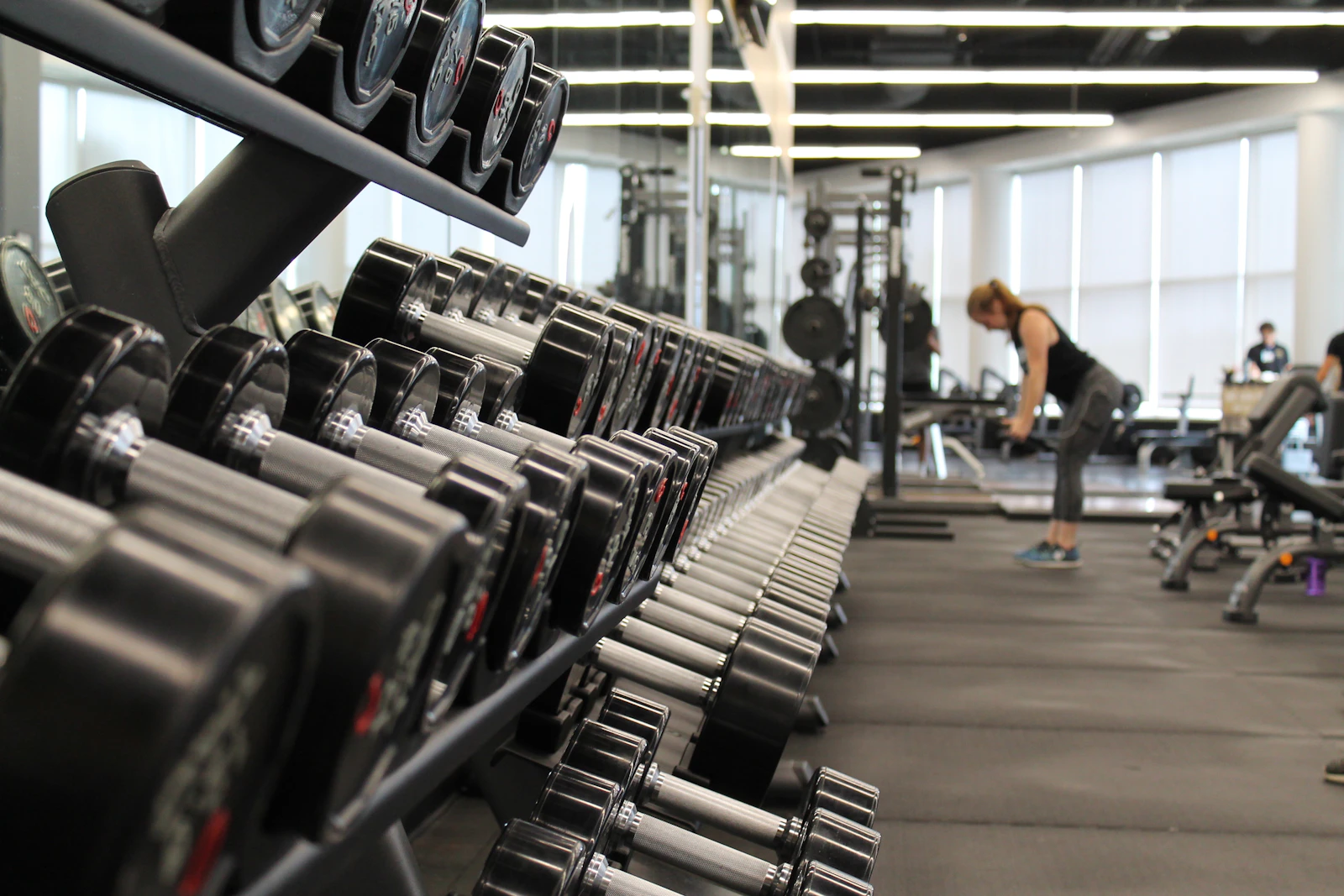
General & professional liability
Generally intended to respond to member and guest injury claims, and to training/instruction exposures from your staff and classes.
Property & equipment
Coverage for the building contents, cardio and strength machines, free weights, and fixtures — generally intended to respond to covered loss or damage.
Amenities & members
Showers, saunas, steam rooms, courts, and tanning beds add real exposure — disclosed on the quote so the right coverage can be placed.
Gymnasium insurance and gym insurance are the same coverage
People use “gymnasium insurance” and “gym insurance” to mean the same thing, and carriers do not treat them as separate products. The word tends to come up around larger open floor facilities: school and church gymnasiums rented out after hours, municipal recreation centers, basketball and volleyball gyms, and multi court athletic buildings. What changes the quote is not the label but what happens inside the building.
If your facility is rented to outside groups, that is worth flagging early. A gymnasium that hosts youth leagues, tournaments, or private events on weekends carries a different exposure than one used only by members, and most facility owners renting to third parties end up needing those groups to carry their own coverage and name the facility as additional insured.
What drives gym insurance rates
We do not set premiums and will not quote a number here, because anyone who gives you a flat figure without knowing your facility is guessing. What carriers actually price on is fairly consistent:
- •Square footage and member count. The two biggest inputs. More floor and more people through the door means more exposure.
- •What equipment is on the floor. Free weights, racks, and machines rate differently than a studio with mats. Climbing walls, trampolines, and pools move a quote considerably.
- •Staffed hours versus 24 hour access. Unstaffed overnight access is a distinct exposure. Carriers ask about it directly.
- •Training and classes. Personal training, group fitness, and youth programs each add professional liability considerations on top of general liability.
- •Claims history. Frequency matters more than severity. Several small injury claims often price worse than one large one.
- •Waivers and incident procedures. Signed waivers do not replace coverage, but carriers do ask whether you use them and how you document incidents.
The quote form below asks about most of these, which is why it produces a usable number faster than a generic request does.
Get a gym / fitness center quote
A few quick details about the facility and its amenities — takes about 3 minutes.
Frequently asked questions
What does gym and fitness center insurance cover?
It is generally built as a package: general liability for member and guest injuries, professional liability for training and instruction, and property/equipment coverage for the building contents, machines, and free weights. Programs commonly address amenity exposures like showers, saunas, steam rooms, and courts, plus options for workers compensation once you have employees. Coverage terms vary by carrier.
Do amenities like saunas, steam rooms, or tanning beds change the quote?
Yes. Wet areas and heat-based amenities add slip, burn, and maintenance exposures, and tanning beds carry their own underwriting questions, so the quote form asks how many of each you have. Disclosing them accurately helps a licensed insurance professional place the right coverage.
Is professional/participant liability included?
Many gym programs pair general liability with professional liability (for training and class instruction) and participant exposure. Whether a particular activity is covered depends on the policy form and any waivers you use — review the actual policy and consult a licensed insurance professional.
What about member injury waivers?
Signed waivers are a useful risk-management tool but generally do not replace insurance. A claim can still be brought, and your liability coverage is what is generally intended to respond to defense and covered damages.
Get the small-business insurance newsletter
Plain-English coverage tips, comparisons, and offers — no spam, unsubscribe anytime.