
Vacant Land Insurance
Liability coverage for unimproved and leased land. A vacant-land policy is generally intended to respond to third-party injury or property-damage claims arising from your property — whether it's raw acreage, a grazing lease, an orchard, or land rented out for recreation.
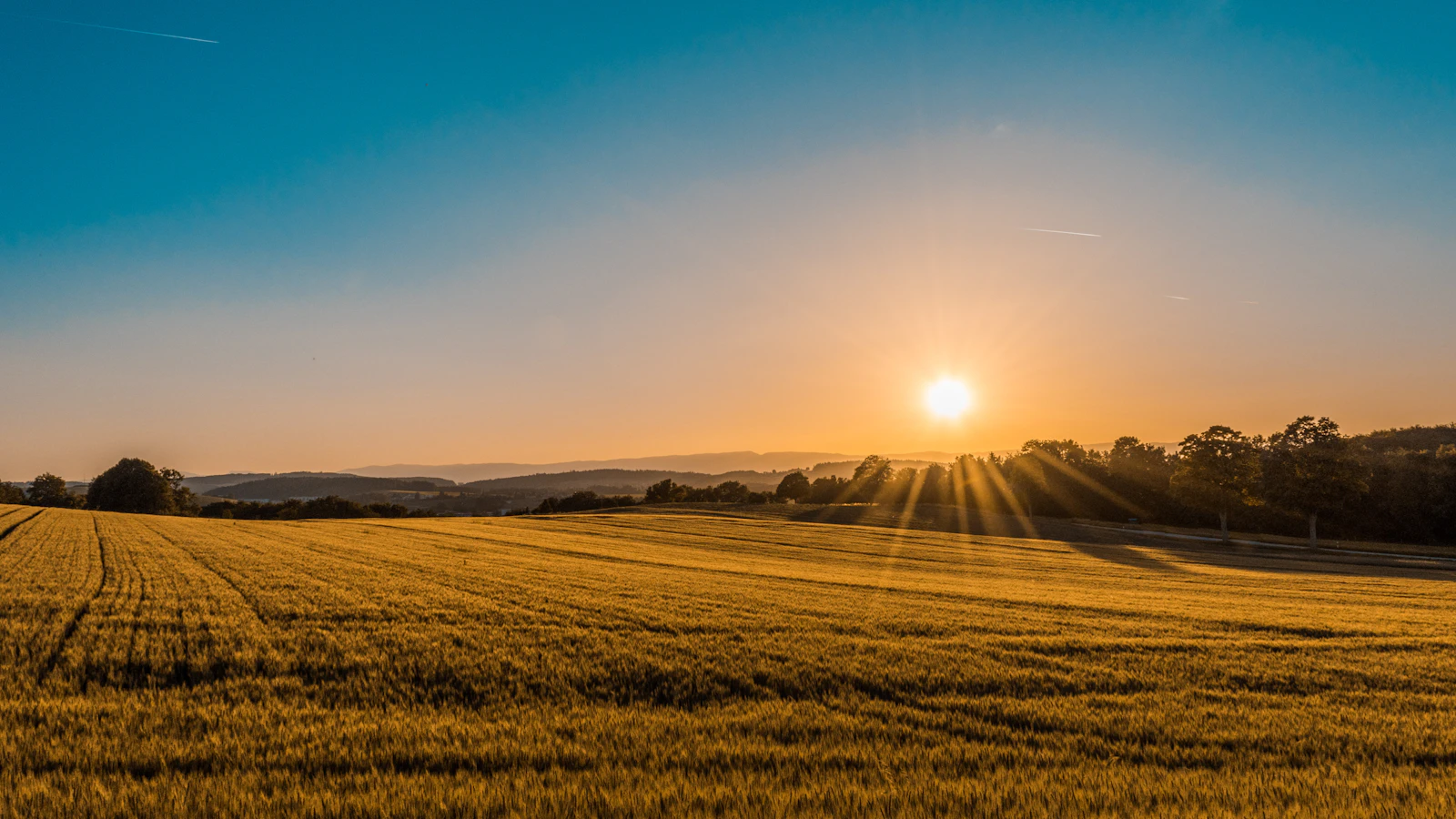
Coverage built around how your land is used
When you request a quote we ask how the land is used — because the exposure (and the optional coverages worth considering) changes with the use.
Rented to sports fields
Land leased to a league, school, or recreational group brings other people onto your property. Owner-landlord liability coverage is generally intended to respond to allegations of third-party injury arising from that use, subject to policy form and the terms of your lease.
Orchards & groves
Land planted with fruit, nut, or grove trees may involve seasonal workers, equipment, and visitors. Coverage can be structured around the agricultural use; if a harvesting contractor or farm operation is involved, that exposure is typically rated separately.
Cattle or grazing animals
Grazing leases and livestock on the land introduce animal-related liability — including animals that may stray onto a road or neighboring property. The number and type of animals is a key rating factor, so we ask for an estimate on the quote form.
Other / unused land
Raw, unused, recreational, hunting, or future build-site land still carries liability exposure — trespassers, attractive-nuisance allegations, and natural hazards. A basic vacant-land liability policy is generally intended to address third-party claims of this nature.
What a vacant land policy is generally intended to address
- ✓ Third-party bodily injury that may occur on the land
- ✓ Third-party property damage arising from the condition or use of the land
- ✓ Owner-landlord liability when the land is leased to others (subject to policy form)
- ✓ Legal defense costs in the event of a covered claim
Coverage terms, eligibility, and pricing are determined by the carrier and vary by state and individual circumstance. Nothing on this page implies, affords, or offers any specific insurance coverage. Review the policy form and consult a licensed insurance professional before binding.
Frequently asked questions
Why would I need insurance on land with nothing on it?
Even unimproved land carries liability exposure. If someone is injured on your property — a trespasser, a hunter, a neighbor, or a tenant using the land — you can be named in a claim. Vacant land liability insurance is generally intended to respond to third-party bodily-injury and property-damage allegations arising from the land, subject to policy terms.
What information do you need to quote vacant land?
We ask how many acres you have, the address of the land, and what the land is used for (rented to sports fields, orchards and groves, cattle or grazing animals, or other). If animals graze on the land, we also ask for an estimated number, since that affects how the risk is rated.
Does vacant land insurance cover the structures I build later?
A vacant-land policy is generally written for unimproved land. Once you add buildings, sheds, or other structures, the exposure changes and the policy usually needs to be rewritten or replaced. Tell a licensed insurance professional before you build.
I lease my land to a farmer or rancher. Whose insurance applies?
It depends on the lease. Many agricultural leases require the tenant operator to carry liability coverage and name the landowner as additional insured — but landowners commonly carry their own vacant-land or owner-landlord policy as well. Review your lease and confirm with a licensed insurance professional.
Vacant land insurance by state
Exposure and requirements vary with terrain, use, and local rules. See what to consider where your parcel is.
Get a vacant land quote
Takes about 3 minutes. Tell us your acreage, the land's address, and how it's used.
Start my quote →Get the small-business insurance newsletter
Plain-English coverage tips, comparisons, and offers — no spam, unsubscribe anytime.